Course Description
Backhoes are essential tools on many job sites, offering powerful capabilities for digging, lifting, and demolition. But they also carry serious risks if not operated correctly. In this Backhoe Safety: How They Work and Their Hazards course, you’ll learn the key functions of backhoes, how to prevent tip-overs and collisions, and how to safely manage common hazards such as overhead power lines and underground utilities.
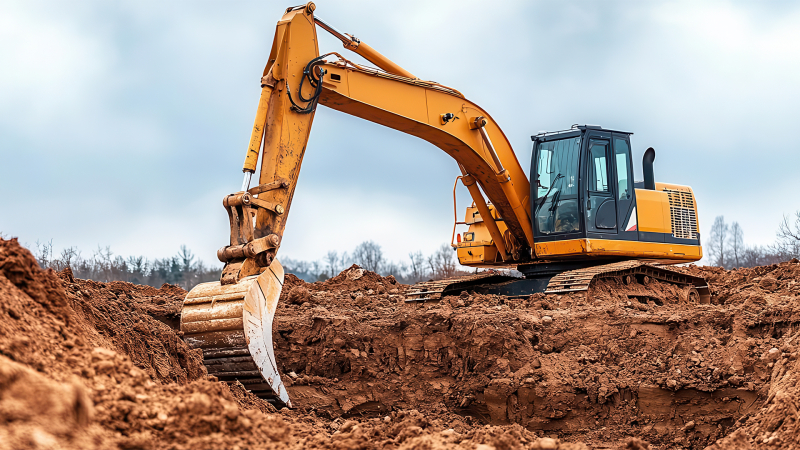
This course explains each part of a backhoe, including the tractor, front loader, backhoe arm, and stabilizer legs, and how each contributes to safe operation. You'll discover how to assess ground conditions, maintain machine stability, and recognize tipping limits to avoid accidents. The course also highlights the importance of using proper attachments and knowing the difference between similar equipment like excavators.
You’ll learn how to avoid struck-by incidents, minimize the chance of collisions, and respond appropriately if the machine contacts power lines. The course includes best practices for approaching slopes, maintaining clear visibility, and understanding load capacities—all essential for keeping yourself and your team safe.
Whether you’re working with backhoes daily or occasionally, this course will help you operate them more confidently and reduce risks on the job site.
Learning Objectives
- Identify the key components and attachments of a backhoe
- Apply safe operating practices to maintain machine stability
- Analyze site conditions to prevent tip-overs and equipment failure
- Recognize hazards associated with overhead and underground utilities
- Respond appropriately to struck-by accidents and power line contact
Skills You Will Learn
- Backhoes
- Equipment Operation
- Hazard Identification
- Load Management
- Underground Utilities
What You'll Learn
- Identify the key components and attachments of a backhoe, including the tractor, front loader, backhoe arm, and stabilizer legs
- Apply safe operating practices to maintain machine stability and recognize tipping limits
- Analyze site and ground conditions to prevent tip-overs and equipment failure
- Recognize hazards associated with overhead power lines and underground utilities
- Respond appropriately to struck-by accidents and power line contact
- Distinguish backhoes from similar equipment such as excavators and use proper attachments
Key Takeaways
- Backhoes are powerful tools for digging, lifting, and demolition that carry serious risks if not operated correctly.
- Understanding each part of a backhoe-the tractor, front loader, backhoe arm, and stabilizer legs-supports safe operation.
- Assessing ground conditions, maintaining stability, and recognizing tipping limits help prevent tip-over accidents.
- Overhead power lines and underground utilities are common hazards that require careful management.
- Avoiding struck-by incidents and collisions depends on clear visibility, proper approach to slopes, and understanding load capacities.
Frequently Asked Questions
Who is this course for?
It is for anyone who works with backhoes, whether daily or occasionally, and wants to operate them more confidently and reduce risks on the job site.
What does this course cover?
It covers the key functions and parts of a backhoe, how to prevent tip-overs and collisions, and how to safely manage hazards such as overhead power lines and underground utilities.
What skills will I gain?
You will gain skills in equipment operation, hazard identification, load management, and working safely around underground utilities.
How is the course structured?
The course is organized into lessons: Understanding Backhoes, Keeping Backhoes Stable, Backhoe Hazards, and a Review.
Will I learn how backhoes differ from similar equipment?
Yes, the course highlights the difference between backhoes and similar equipment like excavators, and the importance of using proper attachments.