Course Description
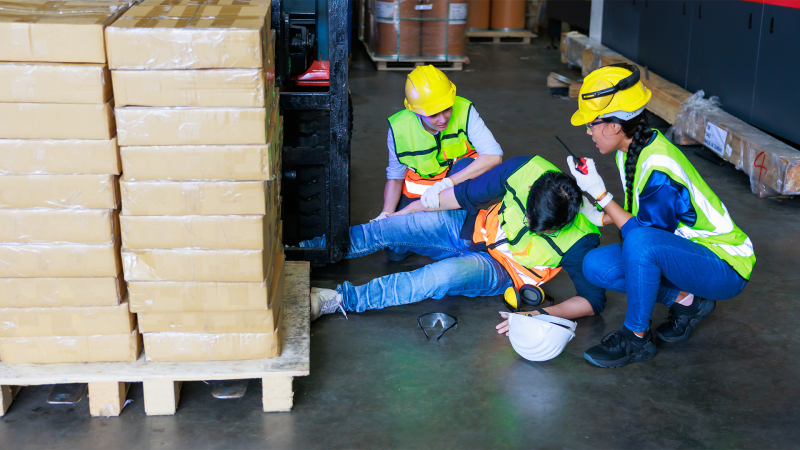
The construction industry is already a risky place to work, but if you face an emergency, you need to be prepared. In this Emergency Planning in Construction Environments course, you’ll learn how to reduce the risks and impacts of emergencies on a construction site. From fires and gas leaks to active shooters and natural disasters, emergencies can happen at any time. But with the right planning, you can limit damage, respond faster, and keep people safe.
This course explains how to build a detailed emergency action plan (EAP), who should be involved in the planning process, and what procedures to follow in high-risk scenarios. You’ll learn how to use tools like the Evacuation Planning Matrix and why drills—both tabletop and live—are essential to preparedness. You’ll also explore roles for site workers, crisis management teams, and emergency responders, and review best practices for evacuation, communication, and hazard reporting.
By the end, you’ll understand how to help stop emergencies from spreading, improve response times, and contribute to a safer job site through thoughtful preparation and active participation.
Learning Objectives:
- Identify common emergencies that can affect a construction site
- Describe the key elements of an emergency action plan (EAP)
- Apply safety procedures for fires, hazardous materials, and active shooter situations
- Participate in drills and evaluate emergency response effectiveness
- Report hazards and site changes that may affect emergency planning
Skills You Will Learn
- Dispatch Coordination
- Emergency Response Planning
- Hazard Communication (HazCom)
- Workplace Safety
- Health Risk Assessments
What You'll Learn
- Identify common emergencies that can affect a construction site, including fires, gas leaks, active shooters, and natural disasters
- Describe the key elements of an emergency action plan (EAP) and who should be involved in the planning process
- Apply safety procedures for fires, hazardous materials, and active shooter situations
- Participate in tabletop and live drills and evaluate emergency response effectiveness
- Report hazards and site changes that may affect emergency planning
- Use tools like the Evacuation Planning Matrix to support evacuation planning
Key Takeaways
- Proper emergency planning helps reduce the risks and impacts of emergencies on a construction site, limiting damage and keeping people safe.
- A detailed emergency action plan (EAP) defines procedures to follow in high-risk scenarios and identifies who should be involved in planning.
- Both tabletop and live drills are essential to preparedness and help improve emergency response times.
- Site workers, crisis management teams, and emergency responders each have defined roles in evacuation, communication, and hazard reporting.
- Thoughtful preparation and active participation help stop emergencies from spreading and contribute to a safer job site.
Frequently Asked Questions
Who is this course for?
It is designed for people working in construction environments, including site workers, crisis management teams, and emergency responders who have roles in emergency planning, evacuation, communication, and hazard reporting.
What does this course cover?
It covers how to build a detailed emergency action plan (EAP), who should be involved in planning, and procedures for high-risk scenarios such as fires, gas leaks, hazardous materials, active shooters, and natural disasters. It also covers the Evacuation Planning Matrix and the use of tabletop and live drills.
What skills will I gain?
You will gain skills in emergency response planning, hazard communication (HazCom), workplace safety, dispatch coordination, and health risk assessments.
What topics are included in the lessons?
Lessons include Emergency Planning in Construction Environments, The Planning Process, The Threat of Terrorism, Active Shooter Situations, Your Role in Emergency Planning, Emergency Action Drills (the process and playing your part), and a Review.
Why are drills important in this course?
The course explains that drills, both tabletop and live, are essential to preparedness and help improve response times and evaluate emergency response effectiveness.