Essential
Provider : KnowledgeCity
8 Lessons · 19m
in Arabic, English, Spanish
Course Description
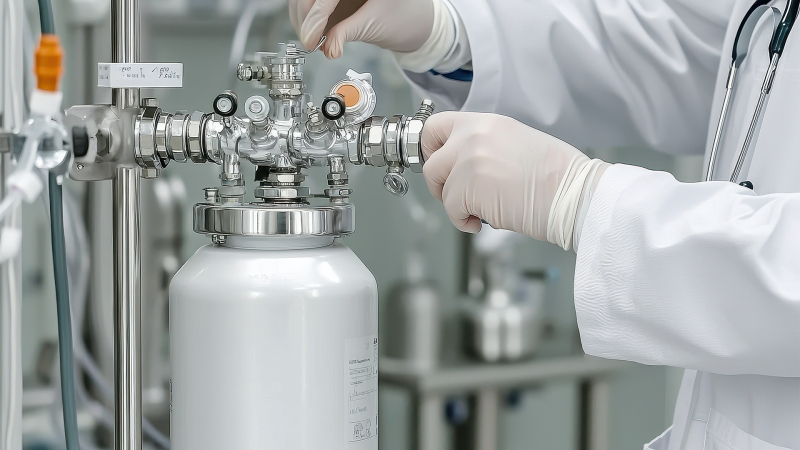
In today's work environments, compressed gas is used for many things... refrigeration... welding... heating... and a number of other functions. Compressed gas can be dangerous, and employees who work with them need to know how to handle them properly. This course will provide the information employees need to handle and transport these potentially volatile storage containers.
Skills You Will Learn
- Compressed Air
- Compressed Natural Gas (CNG)
- Fuel Gas
- Gas-Filled Tube
- Hazardous Material Handling
- Industrial Gases
What You'll Learn
- Identify the different types of compressed gases and their corresponding cylinders
- Recognize the hazards associated with compressed gas
- Store compressed gas cylinders properly and safely
- Handle and transport compressed gas cylinders safely
- Install compressed gas cylinders correctly
- Find and deal with leaks in compressed gas cylinders
Key Takeaways
- Compressed gas is used in many work environments for functions such as refrigeration, welding, and heating.
- Compressed gas can be dangerous, so employees who work with it need to know how to handle it properly.
- This course provides the information employees need to handle and transport these potentially volatile storage containers.
- Safe practices covered include storing, handling, and installing cylinders, as well as finding and dealing with leaks.
Frequently Asked Questions
Who is this course for?
It is for employees who work with compressed gas and need to know how to handle and transport these potentially volatile storage containers properly.
What topics does this course cover?
It covers the types of gases and their cylinders, the hazards of compressed gas, storing cylinders, handling cylinders safely, installing cylinders, and finding and dealing with leaks.
Why is it important to learn how to handle compressed gas?
Compressed gas can be dangerous, so employees who work with it need to know how to handle it properly.
What kinds of gases are addressed in this course?
The course addresses gases such as compressed air, compressed natural gas (CNG), fuel gas, gas-filled tube, and industrial gases.