Course Description
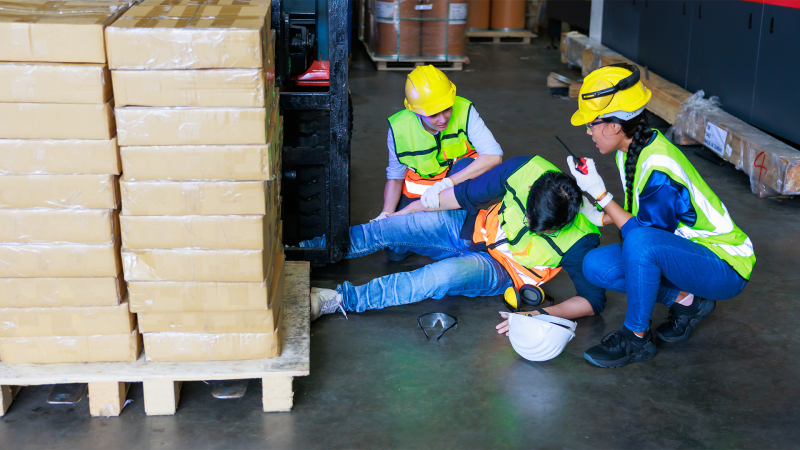
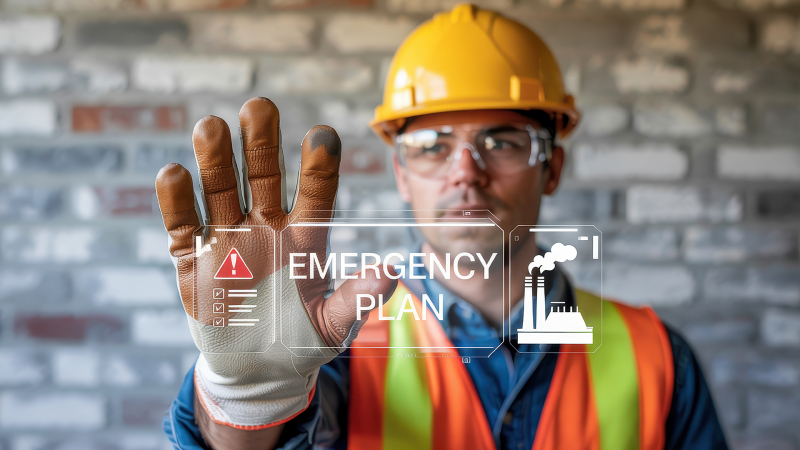
Emergencies can happen without warning, but preparation can reduce injuries, damage, and downtime. In this Emergency Planning in Industrial Environments course, you’ll learn how to create, update, and practice an emergency action plan that prepares your team for fires, natural disasters, active shooters, and other critical events.
This course covers how to assess risks, involve crisis management teams, and build a comprehensive emergency plan for your facility. You’ll explore how to plan for evacuations, power shutdowns, hazardous material containment, and communication with emergency responders and the media.
You’ll also learn how to conduct tabletop and live drills to test your plan and make improvements. From maintaining up-to-date procedures to practicing situational awareness and knowing what to do in an active shooter event, this course gives you the tools to respond with confidence. Everyone has a role to play in emergency planning—and this training helps you play yours well.
What You'll Learn
- Identify the key components of an emergency action plan
- Assess risk using the Evacuation Planning Matrix
- Describe safe responses to fires, chemical spills, and active shooter events
- Apply best practices for evacuation, communication, and coordination
- Analyze and improve emergency readiness through drills and exercises
- Conduct tabletop and live drills to test and refine your plan
Key Takeaways
- Preparation can reduce injuries, damage, and downtime when emergencies happen without warning.
- A comprehensive emergency plan involves assessing risks and engaging crisis management teams.
- Effective planning covers evacuations, power shutdowns, hazardous material containment, and communication with emergency responders and the media.
- Tabletop and live drills are used to test the emergency plan and identify improvements.
- Everyone has a role to play in emergency planning, including practicing situational awareness and knowing how to respond to an active shooter event.
Frequently Asked Questions
Who is this course for?
It is for anyone with a role in emergency planning in industrial environments, since the course emphasizes that everyone has a part to play and helps each person play theirs well.
What emergencies does the course prepare you to handle?
It covers preparing for fires, natural disasters, active shooters, chemical spills, and other critical events.
What skills will I gain from this course?
You will develop skills in crisis communications, dispatch coordination, emergency preparedness, emergency response planning, and health risk assessments.
How does the course help test an emergency plan?
It teaches you how to conduct tabletop and live drills to test your plan and make improvements, and how to analyze and improve readiness through drills and exercises.
What topics are covered in the lessons?
Lessons cover the planning process, the threat of terrorism, active shooter situations, your role in emergency planning, and emergency action drills, followed by a review.