Course Description
Skills You Will Learn
- Data Governance
- Data Policy Development
- Data Privacy Laws
- Data Protection Planning
- Data Security
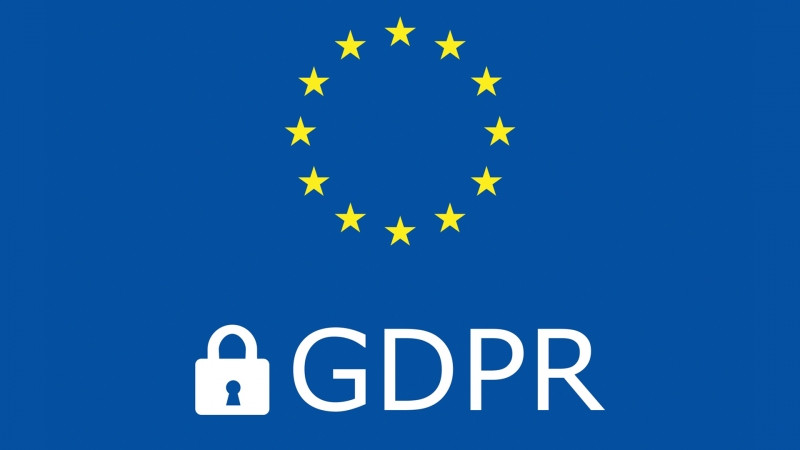
- General Data Protection Regulation (GDPR)
What You'll Learn
- Identify what the GDPR is and who must comply with the regulation
- Distinguish personal data from sensitive data and apply the GDPR's core principles
- Explain individual data rights including access, rectification, erasure, portability, and objection
- Describe the roles of data processors, data controllers, and the Data Protection Officer
- Outline GDPR enforcement, penalties, and how a GDPR audit is conducted
- Determine how organizations can establish and remain in GDPR compliance
Key Takeaways
- The General Data Protection Regulation is a European Union regulation whose reach extends beyond the geographic confines of the EU.
- The GDPR is designed to protect the data of individuals and defines what each individual is entitled to with their data.
- The course covers who must comply with the GDPR and how organizations can remain in compliance.
- Individuals hold specific rights under the GDPR, including the right to be informed, access, rectification, restriction of processing, erasure, objection, data portability, and to refuse automated decision making.
- The Data Protection Officer, data processors, and data controllers each have defined roles in the GDPR, which is backed by enforcement and penalties.
Frequently Asked Questions
What is this GDPR course about?
It gives an overview of the General Data Protection Regulation, an EU regulation designed to protect individuals' data, covering what individuals are entitled to with their data, who must comply, and how organizations can remain in compliance.
Who must comply with the GDPR according to this course?
The course includes a dedicated 'Who Must Comply' lesson and explains that the GDPR extends well beyond the geographic confines of the EU; it teaches who must comply and how organizations can remain in compliance.
What individual data rights does the course cover?
It covers the right to be informed, right to access, right to rectification, right to restrict processing, right to be forgotten, right to object, data portability, and the right to refuse automated decision making.
Which roles and compliance topics does the course address?
It addresses data processors, data controllers, the Data Protection Officer and their role and tasks, as well as enforcement, penalties, and conducting a GDPR audit.
What skills will I gain from this course?
The course is associated with skills in Data Governance, Data Policy Development, Data Privacy Laws, Data Protection Planning, Data Security, and the General Data Protection Regulation (GDPR).