Course Description
Fire can be useful when controlled, but in industrial settings it can quickly become dangerous if hazards are not managed properly. In this Fire Prevention and Safety in Industrial Environments course, you’ll learn how fires start, how different types of fires behave, and how to respond safely if a fire occurs.
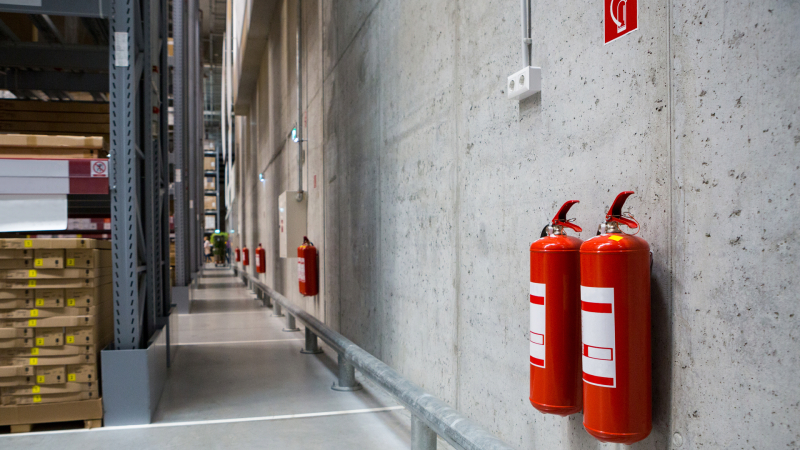
This course explains the basic elements needed for a fire to burn and how removing one element can stop it. You’ll learn about different classes of fires and why using the correct extinguishing method is critical. The course also covers sprinkler systems, fire extinguishers, and safe handling of flammable and combustible materials.
You’ll explore common workplace fire hazards, including electrical risks, clutter, hot work, and improper storage. Emergency response steps such as evacuation procedures, exit routes, and safe behavior during a fire are also discussed. By the end of this course, you’ll be better prepared to help prevent fires and respond calmly and safely during a fire emergency.
Learning Objectives:
- Identify common fire hazards in industrial environments
- Explain how fires start and how they can be extinguished
- Recognize different classes of fires and appropriate responses
- Apply safe handling and storage practices for flammable materials
- Follow proper procedures during a fire emergency
Skills You Will Learn
- Emergency Response
- Fire Prevention
- Hazard Identification
- Workplace Safety
- Firefighting
What You'll Learn
- Identify common fire hazards in industrial environments, including electrical risks, clutter, hot work, and improper storage
- Explain how fires start and how removing one of the basic elements needed for a fire can extinguish it
- Recognize different classes of fires and apply the correct extinguishing method for each
- Apply safe handling and storage practices for flammable and combustible materials
- Follow proper emergency procedures, including evacuation, exit routes, and safe behavior during a fire
- Describe how sprinkler systems and fire extinguishers are used in workplace fire safety
Key Takeaways
- A fire needs certain basic elements to burn, and removing one of those elements can stop it.
- Different classes of fires behave differently, so using the correct extinguishing method is critical.
- Common workplace fire hazards include electrical risks, clutter, hot work, and improper storage of materials.
- Safe handling and storage of flammable and combustible materials helps prevent fires.
- Knowing evacuation procedures, exit routes, and safe behavior helps you respond calmly during a fire emergency.
Frequently Asked Questions
Who is this course for?
It is designed for people working in industrial environments who want to help prevent fires and respond safely if a fire occurs.
What topics does this course cover?
It covers how fires start, the classes of fires and how they burn, extinguishing methods, sprinkler systems and fire extinguishers, safe handling of flammable and combustible materials, common workplace fire hazards, and emergency response steps such as evacuation procedures and exit routes.
What skills will I gain from this course?
You will build skills in fire prevention, hazard identification, emergency response, workplace safety, and firefighting.
How is the course structured?
The course is organized into lessons covering classes of fire and how they burn, extinguishing fires, handling flammable materials safely, how to prevent fires, dealing with a fire emergency, and a review.
Do I need prior experience to take this course?
The course explains the basic elements needed for a fire to burn and builds up to prevention and emergency response, so no specific prerequisites are stated in the course data.