Course Description
Construction sites have changing conditions, temporary power, mobile equipment, and flammable materials, which can raise fire risk. In this Fire Prevention and Safety in Construction Environments course, you’ll learn how fires start, how fire classes guide safe response, and how to use fire extinguishers correctly. You’ll also learn how to prevent common jobsite fire hazards and what to do during a fire emergency
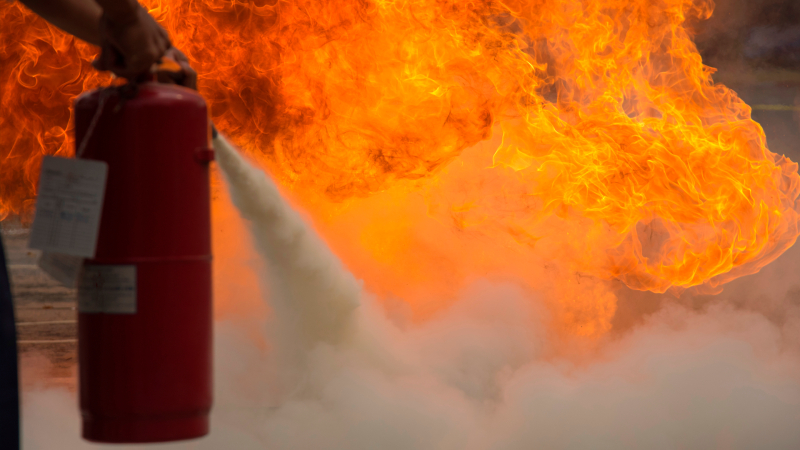
This course explains the fire triangle so you understand how removing heat, fuel, or oxygen can stop a fire. You’ll learn the main fire classes and why the wrong extinguishing method can spread a fire or create electrical hazards. You’ll also practice safe extinguisher use using the PASS method—pull, aim, squeeze, sweep—and learn when to evacuate if a fire cannot be controlled quickly
You’ll also cover key prevention habits, such as controlling clutter, keeping equipment clean, storing and handling flammables safely, following hot work rules, and using electrical equipment correctly to avoid overloads. Finally, you’ll learn how to follow the site emergency action plan, identify multiple evacuation routes, and evacuate safely during smoke and low visibility situations
Learning Objectives:
- Identify how fuel, oxygen, and heat support fire growth
- Distinguish common fire classes and match them to safe control methods
- Apply safe fire extinguisher practices, including the PASS method and evacuation decisions
- Apply prevention practices that reduce jobsite fire hazards, including flammable handling and electrical safety
- Follow emergency response and evacuation steps using the site action plan and safe exit behaviors
Skills You Will Learn
- Emergency Evacuation
- Fire Hazard Analysis
- Fire Safety
- Hazard Identification
- Firefighting
What You'll Learn
- Identify how fuel, oxygen, and heat combine in the fire triangle to support fire growth
- Distinguish common fire classes and match each to a safe extinguishing method
- Apply safe fire extinguisher use with the PASS method (pull, aim, squeeze, sweep) and decide when to evacuate
- Apply prevention practices that reduce jobsite fire hazards, including safe flammable handling and electrical safety
- Follow emergency response and evacuation steps using the site emergency action plan and safe exit behaviors
- Recognize hot work rules and clutter and equipment-cleanliness habits that lower construction fire risk
Key Takeaways
- A fire needs heat, fuel, and oxygen, so removing any one of these can stop it.
- Using the wrong extinguishing method can spread a fire or create electrical hazards, which is why fire classes must guide the response.
- The PASS method (pull, aim, squeeze, sweep) supports safe extinguisher use, and evacuation is the right choice when a fire cannot be controlled quickly.
- Prevention habits such as controlling clutter, keeping equipment clean, storing flammables safely, following hot work rules, and avoiding electrical overloads reduce jobsite fire risk.
- Following the site emergency action plan and knowing multiple evacuation routes supports safe exit during smoke and low-visibility conditions.
Frequently Asked Questions
Who is this course for?
It is designed for people working in construction environments, where changing conditions, temporary power, mobile equipment, and flammable materials can raise fire risk.
What does this course cover?
It covers how fires start, the fire triangle, fire classes and matching control methods, correct fire extinguisher use with the PASS method, prevention of common jobsite fire hazards, and emergency response and evacuation.
What is the PASS method taught in this course?
PASS stands for pull, aim, squeeze, sweep, and the course has you practice it for safe fire extinguisher use, along with learning when to evacuate if a fire cannot be controlled quickly.
What fire prevention practices will I learn?
You will learn to control clutter, keep equipment clean, store and handle flammables safely, follow hot work rules, and use electrical equipment correctly to avoid overloads.
How is the course structured?
It is organized into lessons covering fire prevention and safety in construction environments, classes of fire and how they burn, extinguishing fires, handling flammable materials safely, how to prevent fires, dealing with a fire emergency, and a review.