Course Description
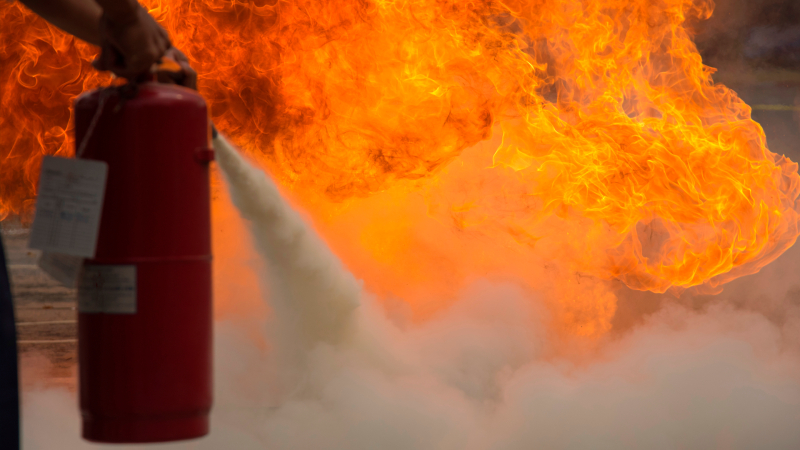
Fires in warehouses and transportation environments can start quickly and spread before anyone has time to react. With large amounts of cargo, heavy equipment, flammable materials, and constant movement, these workplaces face higher fire risks than many people realize. In this Fire Prevention and Safety in Transportation and Warehouse Environments course, you’ll learn how fires start, how to identify fire hazards, and how to use the right extinguishing methods. You’ll also discover ways to prevent fires and follow safe procedures during emergencies both in facilities and on the road.
This course explains the three elements every fire needs—fuel, heat, and an oxidizer—and how removing any one of them can stop a fire. You’ll explore the different classes of fires, how to match the right extinguisher to each one, and when to step back and call for help.
You’ll also learn practical steps to prevent fires, such as controlling ignition sources, storing flammable materials safely, maintaining electrical equipment, and keeping work areas clean. The course covers essential emergency actions, from understanding evacuation routes to responding to truck fires during transport.
By the end, you’ll know how to reduce fire risks, choose safe responses, and help protect your workplace, vehicles, and coworkers.
Learning Objectives:
By the end of this course, learners will be able to:
- Identify the three elements necessary for a fire to start.
- Distinguish between fire classes and select the correct type of extinguisher.
- Recognize common fire hazards in warehouses and transportation settings.
- Apply safe practices for handling flammable materials and electrical equipment.
- Follow proper emergency procedures during fire events in facilities and vehicles.
Skills You Will Learn
- Emergency Response
- Fire Hazard Analysis
- Fire Protection
- Hazardous Material Handling
- Warehouse Operations
What You'll Learn
- Identify the three elements every fire needs to start: fuel, heat, and an oxidizer.
- Distinguish between the different classes of fire and select the correct type of extinguisher for each.
- Recognize common fire hazards in warehouse and transportation settings.
- Apply safe practices for handling flammable materials and maintaining electrical equipment.
- Follow proper emergency procedures during fire events in facilities and vehicles, including evacuation routes and truck fires.
- Control ignition sources and keep work areas clean to prevent fires.
Key Takeaways
- Every fire requires three elements - fuel, heat, and an oxidizer - and removing any one of them can stop the fire.
- Warehouses and transportation environments face higher fire risks due to large amounts of cargo, heavy equipment, flammable materials, and constant movement.
- Different classes of fire require matching the right extinguisher, and learners should know when to step back and call for help.
- Fires can be prevented by controlling ignition sources, storing flammable materials safely, maintaining electrical equipment, and keeping work areas clean.
- Emergency response includes understanding evacuation routes and responding to truck fires during transport.
Frequently Asked Questions
Who is this course for?
It is for people working in warehouse and transportation environments, where large amounts of cargo, heavy equipment, flammable materials, and constant movement create higher fire risks.
What does this course cover?
It covers how fires start, how to identify fire hazards, the classes of fire, matching the right extinguisher to each, preventing fires, handling flammable materials and electrical equipment safely, and emergency procedures in facilities and on the road.
What skills will I gain from this course?
The course builds skills in emergency response, fire hazard analysis, fire protection, hazardous material handling, and warehouse operations.
What emergency situations does the course address?
It covers essential emergency actions, from understanding evacuation routes to responding to truck fires during transport, in both facilities and vehicles.
What are the main topics or lessons in this course?
Lessons include Classes of Fire and How They Burn, Extinguishing Fires, Handling Flammable Materials Safely, How To Prevent Fires, Dealing With a Fire Emergency, and a Review.