Course Description
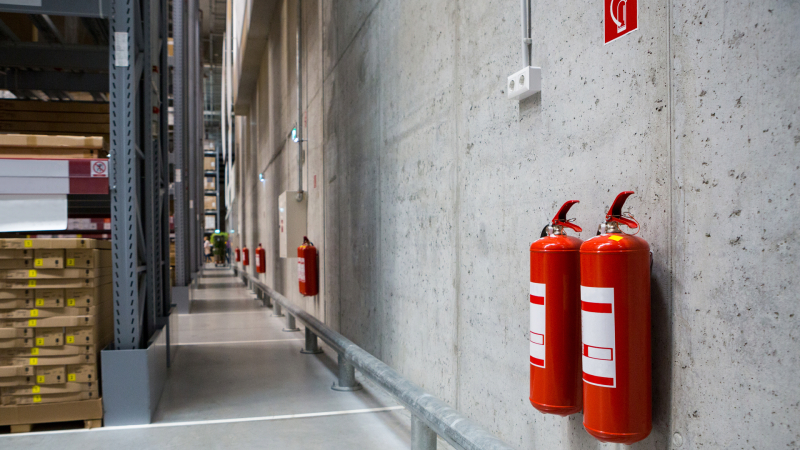
Industrial facilities face unique fire risks due to the presence of flammable liquids, electrical equipment, hot machinery, and large amounts of stored materials. Even a small fire can grow quickly, creating dangers for workers and causing major damage in only seconds.
In this Using Fire Extinguishers in Industrial Environments course, you’ll learn how fires start, how to match extinguishers to fire classes, and how to use extinguishers safely with the PASS method. You’ll also learn key steps to take before fighting a fire and how to maintain extinguishers so they’re ready when needed.
This course explains the three elements every fire needs—fuel, heat, and an oxidizer—and how removing one of them can stop a fire. You will explore the major fire classes, what types of materials they involve, and which extinguishers are designed for each situation. The course also covers different extinguisher types, including dry chemical, CO₂, water, and foam units, and highlights when they should or shouldn’t be used.
You’ll learn how to assess whether a fire is safe to fight, how to protect yourself from smoke, and why having a clear escape route is essential. The course also reviews inspection and maintenance practices so extinguishers remain charged, accessible, and compliant with safety regulations.
Learning Objectives
By the end of this course, learners will be able to:
- Identify the three elements that cause fires and how extinguishers interrupt them.
- Distinguish between fire classes and select the correct extinguisher type.
- Apply the PASS method to use an extinguisher safely and effectively.
- Recognize when a fire is unsafe to fight and when evacuation is necessary.
- Inspect and maintain fire extinguishers to ensure readiness and compliance.
Skills You Will Learn
- Emergency Response
- Equipment Inspection
- Fire Safety
- Industrial Management
- Industrial Safety Systems
What You'll Learn
- Identify the three elements every fire needs—fuel, heat, and an oxidizer—and how extinguishers interrupt them
- Distinguish between the major fire classes and select the correct extinguisher type for each situation
- Apply the PASS method to use a fire extinguisher safely and effectively
- Recognize when a fire is unsafe to fight and when evacuation is necessary
- Inspect and maintain fire extinguishers to ensure readiness and compliance with safety regulations
- Compare extinguisher types—dry chemical, CO₂, water, and foam—and know when they should or shouldn't be used
Key Takeaways
- Every fire needs three elements—fuel, heat, and an oxidizer—and removing any one of them can stop the fire.
- Different fire classes involve different materials, and each requires an extinguisher type designed for that situation.
- Dry chemical, CO₂, water, and foam extinguishers each have specific situations where they should or shouldn't be used.
- Before fighting a fire, you should assess whether it is safe to fight, protect yourself from smoke, and ensure a clear escape route.
- Regular inspection and maintenance keep extinguishers charged, accessible, and compliant with safety regulations.
Frequently Asked Questions
Who is this course for?
It is for people working in industrial facilities, which face unique fire risks from flammable liquids, electrical equipment, hot machinery, and large amounts of stored materials.
What will I learn about using an extinguisher safely?
You'll learn to apply the PASS method to use an extinguisher safely and effectively, along with the key steps to take before fighting a fire.
Does the course cover different extinguisher types?
Yes. It covers dry chemical, CO₂, water, and foam units, and highlights when each type should or shouldn't be used, as well as how to match extinguishers to fire classes.
Does the course explain when not to fight a fire?
Yes. It teaches how to assess whether a fire is safe to fight, how to protect yourself from smoke, why a clear escape route is essential, and when evacuation is necessary.
What does the course teach about extinguisher upkeep?
It reviews inspection and maintenance practices so extinguishers remain charged, accessible, and compliant with safety regulations.