Course Description
Whether you’re lifting materials, operating equipment, or just walking through a loading dock, risks are everywhere—and being able to spot them early is key to preventing accidents. In this Hazard Recognition in Transportation and Warehouse Environments course, you’ll learn how to recognize the kinds of hazards that can cause injuries or disrupt daily operations.
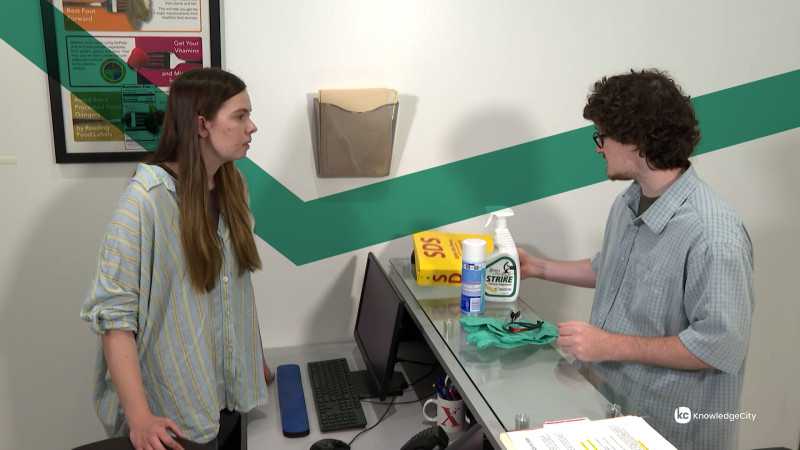
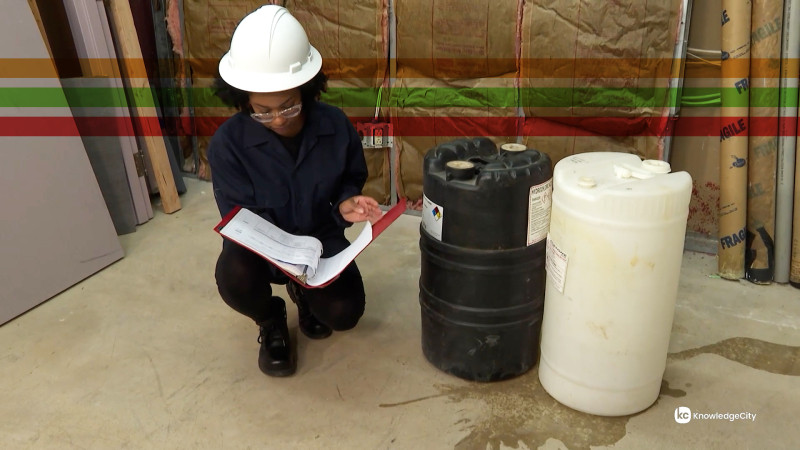
The course covers major categories of hazards, including slips and falls, forklift operation, manual lifting, noise exposure, poor lighting, blocked exits, and unstable stacking. You’ll explore the role of housekeeping, hazard communication, and environmental factors like heat and cold in contributing to workplace incidents. Real-world examples and practical visuals show how these hazards appear on the job.
You'll also learn how to respond quickly when something seems wrong, whether that means reporting a spill, tagging out damaged equipment, or addressing poor storage before it escalates into a bigger issue. By understanding both the obvious and hidden risks, you'll be better prepared to prevent injuries and keep yourself and your coworkers safe.
Learning Objectives
- Identify common physical and environmental hazards in transportation and warehouse settings
- Apply safe practices to avoid slips, trips, and falls
- Recognize hazards related to equipment, lifting, and storage
- Take corrective action when unsafe conditions are observed
- Follow workplace procedures for reporting and resolving hazards
Skills You Will Learn
- Accident Prevention
- Hazard Identification
- Material Handling
- Workplace Safety
- Health Risk Assessments
What You'll Learn
- Identify common physical and environmental hazards in transportation and warehouse settings, including slips and falls, forklift operation, manual lifting, noise exposure, poor lighting, blocked exits, and unstable stacking
- Apply safe practices to avoid slips, trips, and falls
- Recognize hazards related to equipment, lifting, and storage
- Take corrective action when unsafe conditions are observed, such as reporting a spill or tagging out damaged equipment
- Follow workplace procedures for reporting and resolving hazards
- Recognize the role of housekeeping, hazard communication, and environmental factors like heat and cold in workplace incidents
Key Takeaways
- Hazards exist throughout transportation and warehouse environments, from lifting materials and operating equipment to walking through a loading dock, and spotting them early is key to preventing accidents.
- The course covers major hazard categories including slips and falls, forklift operation, manual lifting, noise exposure, poor lighting, blocked exits, and unstable stacking.
- Housekeeping, hazard communication, and environmental factors such as heat and cold all contribute to workplace incidents.
- Responding quickly to unsafe conditions can mean reporting a spill, tagging out damaged equipment, or addressing poor storage before it escalates.
- Understanding both obvious and hidden risks helps prevent injuries and keep workers and coworkers safe.
Frequently Asked Questions
Who is this course for?
It is for anyone working in transportation and warehouse environments, including those who lift materials, operate equipment, or move through areas like loading docks where risks are present.
What hazards does this course cover?
It covers major categories of hazards including slips and falls, forklift operation, manual lifting, noise exposure, poor lighting, blocked exits, and unstable stacking, along with environmental factors like heat and cold.
What skills will I gain from this course?
You will gain skills in accident prevention, hazard identification, material handling, workplace safety, and health risk assessments.
How does the course teach hazard recognition?
The course uses real-world examples and practical visuals to show how these hazards appear on the job, covering both obvious and hidden risks.
What should I do when I observe an unsafe condition?
You will learn to take corrective action and follow workplace procedures for reporting and resolving hazards, such as reporting a spill, tagging out damaged equipment, or addressing poor storage.