Course Description
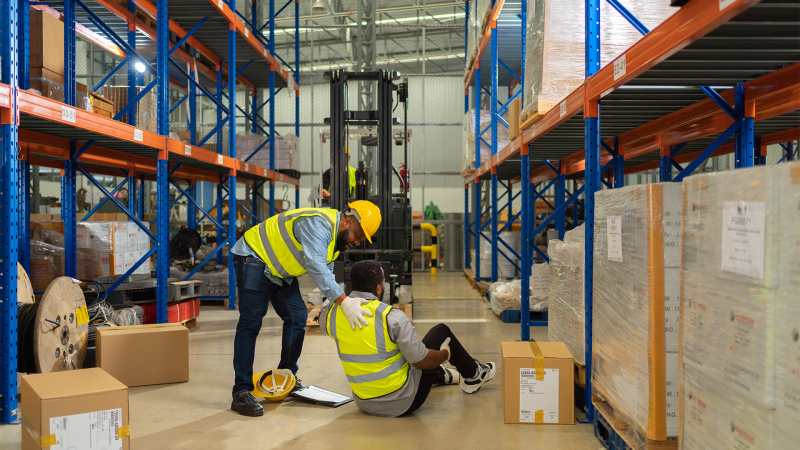
We may sometimes believe that it’s a good idea to save time by making decisions that can put our well-being at risk. But efficiency doesn’t have to mean compromising our safety. It’s crucial to take steps to prevent injuries, avoid accidents, and perform our job duties responsibly. We can do this by identifying and correctly dealing with the potential hazards that we encounter each day. Some hazards are obvious, but others are harder to detect; that’s why it’s important to account for all potential safety risks and take steps to prevent harm to yourself or your coworkers.
In this course, we’ll discuss ways to develop a good safety attitude and maintain a safe work environment. We’ll go over the importance of using tools and equipment safely, and we’ll consider the value of personal protective equipment in the workplace. Hazardous materials will also be addressed so that you can learn how to handle and store them safely and responsibly.
Learning Objectives:
- Understand the importance of safety housekeeping in the workplace
- Recognize the safety risks that can be found in health care environments
- Acknowledge ways to reduce accidents and injuries
Skills You Will Learn
- Accountability
- Accident Prevention
- Workplace Safety
What You'll Learn
- Develop a good safety attitude to perform job duties responsibly and prevent injuries
- Recognize the safety risks that can be found in health care environments
- Maintain a safe work environment by identifying and correctly dealing with potential hazards
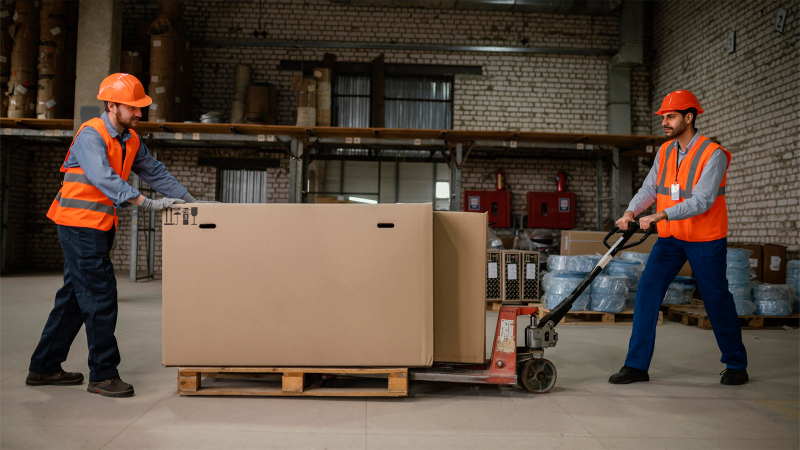
- Use tools and equipment safely in the workplace
- Recognize, store, clean up, and dispose of hazardous materials safely and responsibly
- Understand the value and use of personal protective equipment in the workplace
Key Takeaways
- Efficiency does not have to mean compromising safety; taking steps to prevent injuries and avoid accidents is crucial.
- Some hazards are obvious while others are harder to detect, so it is important to account for all potential safety risks.
- Using tools and equipment safely and wearing personal protective equipment help maintain a safe work environment.
- Hazardous materials must be handled, stored, cleaned up, and disposed of safely and responsibly.
- Safety housekeeping helps reduce accidents and injuries and protects both yourself and your coworkers.
Frequently Asked Questions
Who is this course for?
This course is for people working in health care environments who want to recognize safety risks and prevent accidents and injuries in the workplace.
What topics does this course cover?
It covers developing a good safety attitude, maintaining a safe work environment, using tools and equipment safely, the value of personal protective equipment, and recognizing, storing, cleaning up, and disposing of hazardous materials.
What skills will I gain from this course?
You will build skills in accountability, accident prevention, and workplace safety.
How is the course structured?
The course is organized into lessons including an Introduction, Developing a Good Safety Attitude, Maintaining a Safe Work Environment, Using Tools and Equipment, Hazardous Materials: Recognition and Storage, Hazardous Materials: Spill Cleanup and Disposal, Personal Protective Equipment, and a Review.