Course Description
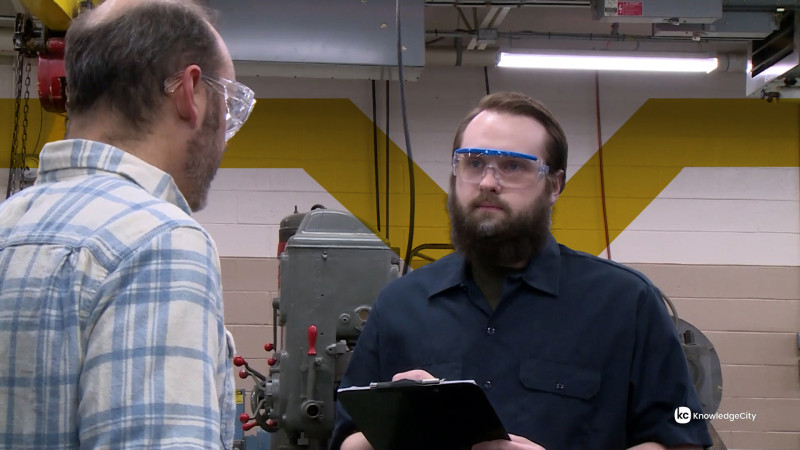
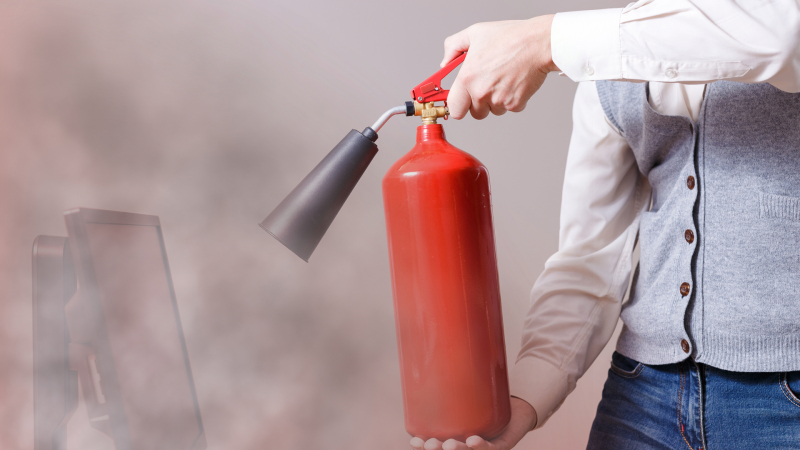
A safe work environment doesn’t happen by chance—it takes active hazard recognition and prevention. In this Hazard Recognition in Healthcare Environments: For Office and Facilities Personnel course, you’ll learn how to identify common workplace hazards, prevent unsafe acts, and support accident prevention. You’ll also discover how to recognize risks in real time and help keep your facility safe.
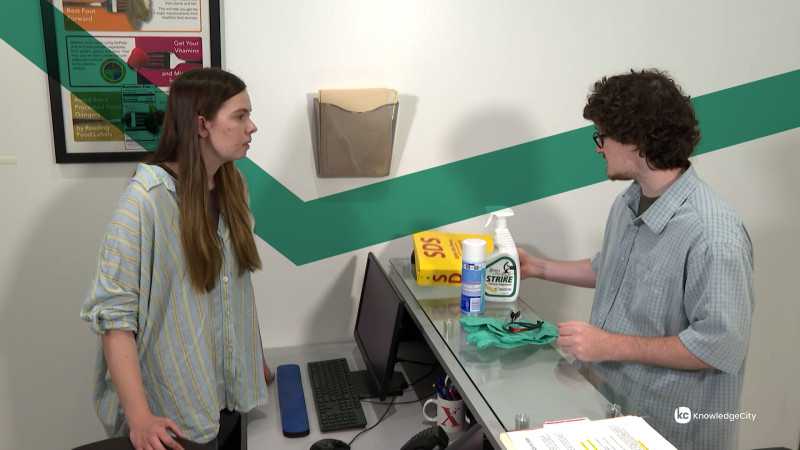
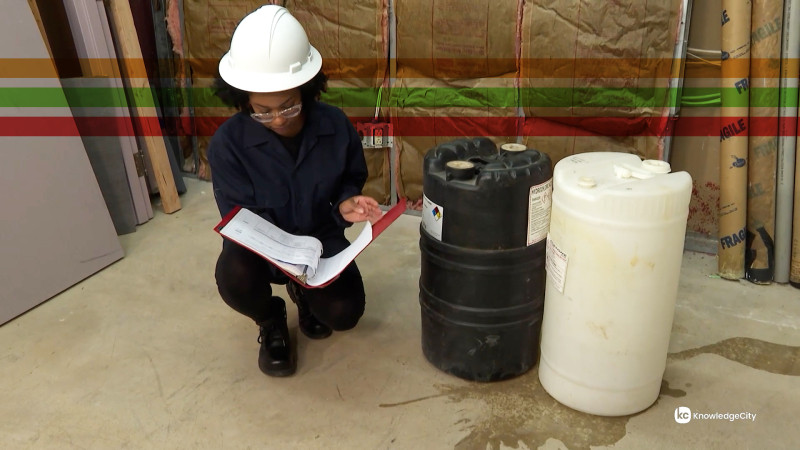
This course explains the connection between workplace hazards and accidents, and shows how early action can reduce injuries and save lives. You’ll explore the difference between hazardous conditions and unsafe acts, and learn how to categorize risks like physical, ergonomic, chemical, and biological hazards.
The course also covers practical tools such as job hazard analysis, inspections, and work permits. You’ll practice ways to spot hazards during your daily tasks, respond to unsafe behaviors, and help investigate accidents to find their root causes. By the end of this course, you’ll be ready to identify hazards and help create a safer environment for yourself and your coworkers.
Learning Objectives:
- Define the key concepts of hazard recognition and accident prevention
- Identify common physical, ergonomic, chemical, and biological hazards
- Apply hazard recognition tools like job hazard analysis and inspections
- Recognize and respond to unsafe acts in the workplace
- Support accident investigations by identifying root causes
Skills You Will Learn
- Accident Response Group
- Hazard Identification
- Risk Prevention
- Safety Monitoring
- Workplace Safety
What You'll Learn
- Define key concepts of hazard recognition and accident prevention
- Identify common physical, ergonomic, chemical, and biological hazards
- Apply hazard recognition tools like job hazard analysis and inspections
- Recognize and respond to unsafe acts in the workplace
- Support accident investigations by identifying root causes
- Distinguish between hazardous conditions and unsafe acts
Key Takeaways
- A safe work environment depends on active hazard recognition and prevention rather than chance.
- Workplace hazards are connected to accidents, and early action can reduce injuries and save lives.
- Risks can be categorized into physical, ergonomic, chemical, and biological hazards.
- Practical tools such as job hazard analysis, inspections, and work permits support hazard recognition.
- Investigating accidents and near misses helps identify their root causes.
Frequently Asked Questions
Who is this course for?
This course is designed for office and facilities personnel working in healthcare environments who want to recognize and prevent workplace hazards.
What hazards does this course cover?
It covers how to identify and categorize physical, ergonomic, chemical, and biological hazards in the workplace.
What tools will I learn to use?
You will learn practical tools such as job hazard analysis, inspections, and work permits to spot hazards during your daily tasks.
What skills will I gain from this course?
You will gain skills in hazard identification, risk prevention, safety monitoring, workplace safety, and accident response, including responding to unsafe acts and helping investigate accidents to find root causes.
What will I be able to do by the end of the course?
By the end, you will be ready to identify hazards and help create a safer environment for yourself and your coworkers.