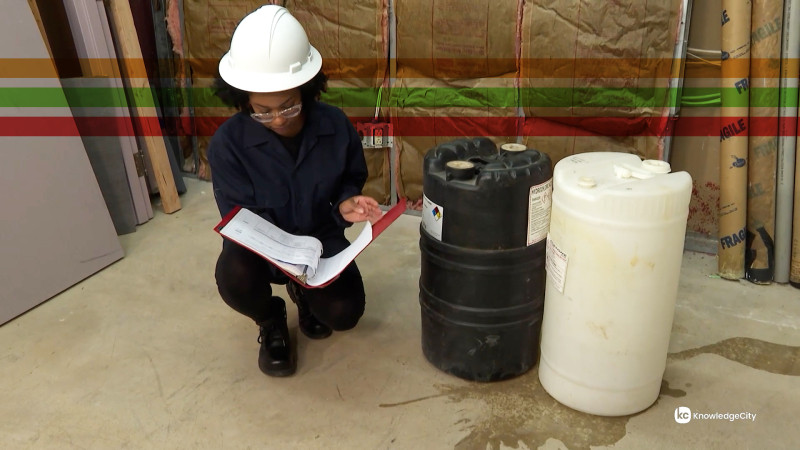
Course Description
While office environments may seem low risk, unsafe conditions like blocked exits, poor lighting, and cluttered walkways can quickly lead to injuries. In this Safety Housekeeping and Accident Prevention in Office Environments course, you’ll learn how to reduce accidents by keeping your office clean, organized, and free of common hazards.
This course covers the basics of safety housekeeping and explains why a tidy workspace helps prevent slips, trips, and falls. You’ll learn how to spot and correct hazards such as uneven flooring, loose cords, wet surfaces, and overfilled trash bins. The course also highlights how poor storage, improper use of ladders or chairs, and ignored maintenance issues can contribute to accidents.
You’ll discover how individual actions, like pushing in chairs, cleaning up spills, and reporting broken equipment, support a safer environment for everyone. The course also emphasizes the importance of emergency preparedness, proper signage, and team communication.
Learning Objectives:
- Identify common safety hazards in office environments
- Apply housekeeping practices to reduce slip, trip, and fall risks
- Describe safe storage, lighting, and walkway maintenance procedures
- Respond appropriately to spills, obstructions, and damaged equipment
- Support a workplace culture of cleanliness and safety awareness
Skills You Will Learn
- Incident Reporting
- Fall Prevention
- Hazard Identification
- Workplace Safety
- Workstation Design
What You'll Learn
- Identify common safety hazards in office environments, such as blocked exits, poor lighting, cluttered walkways, uneven flooring, and loose cords
- Apply housekeeping practices that reduce slip, trip, and fall risks
- Describe safe storage, lighting, and walkway maintenance procedures
- Respond appropriately to spills, obstructions, and damaged equipment
- Support a workplace culture of cleanliness and safety awareness
- Recognize how individual actions like pushing in chairs, cleaning up spills, and reporting broken equipment create a safer environment
Key Takeaways
- Office environments may seem low risk, but unsafe conditions like blocked exits, poor lighting, and cluttered walkways can quickly lead to injuries.
- Keeping an office clean, organized, and free of common hazards helps prevent slips, trips, and falls.
- Poor storage, improper use of ladders or chairs, and ignored maintenance issues can contribute to accidents.
- Individual actions, such as pushing in chairs, cleaning up spills, and reporting broken equipment, support a safer environment for everyone.
- Emergency preparedness, proper signage, and team communication are important to office safety.
Frequently Asked Questions
Who is this course for?
It is for anyone working in an office environment who wants to reduce accidents by keeping the workspace clean, organized, and free of common hazards.
What hazards does this course help me identify?
It covers hazards such as blocked exits, poor lighting, cluttered walkways, uneven flooring, loose cords, wet surfaces, and overfilled trash bins.
What skills will I gain?
You will gain skills in incident reporting, fall prevention, hazard identification, workplace safety, and workstation design.
What topics are covered in the lessons?
Lessons include Developing a Good Safety Attitude, Maintaining a Safe Work Environment, Using Tools and Equipment, Handling Hazardous Materials, and a Review.
Does the course address emergency situations?
Yes, it emphasizes emergency preparedness, proper signage, and team communication, and how to respond to spills, obstructions, and damaged equipment.