Course Description
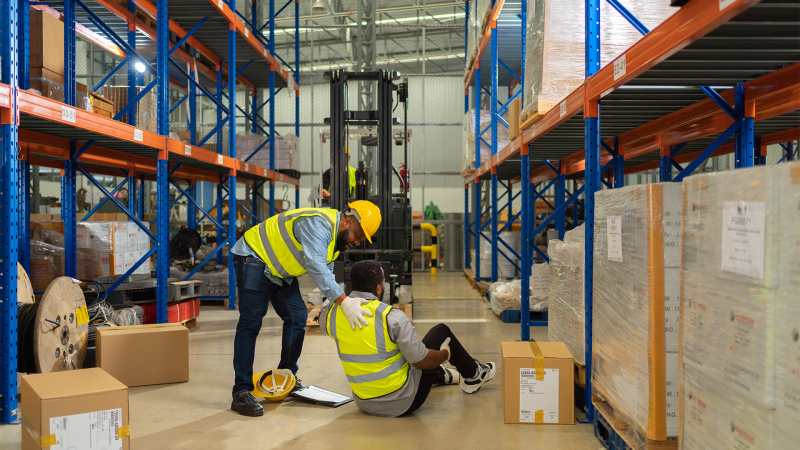
A safe workplace begins with a good safety attitude—knowing your physical limits, using sound judgment, and staying alert to hazards that may become “invisible” over time. In this Safety Housekeeping and Accident Prevention in Transportation and Warehouse Environments course, you’ll learn how to reduce risks and stay safe on the job through better habits, planning, and awareness.
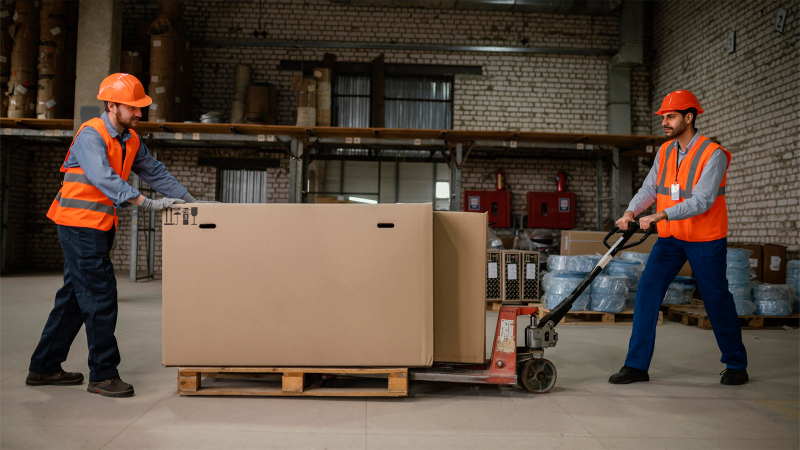
You’ll see how keeping walkways clear, disposing of debris, and reporting unsafe conditions helps prevent common accidents like slips, trips, and falls. You’ll learn how to use tools and machinery correctly, including when to shut down power and apply proper lockout procedures during maintenance. The course also explains how to lift and move materials safely, and why returning tools to storage matters.
Hazardous materials are also covered—from reading Safety Data Sheets (SDSs) and following chemical handling procedures, to storing and disposing of substances without creating new risks. The course emphasizes using the right PPE—like gloves, goggles, or respirators—based on the task and substance involved.
By the end, you’ll know how to recognize hazards, prevent accidents, and make safety part of your everyday routine. Whether you're cleaning, lifting, or working with chemicals, these practices help protect you and everyone around you.
Learning Objectives:
- Identify characteristics of a good safety attitude in the workplace
- Apply housekeeping practices that reduce physical hazards
- Use tools and equipment correctly to prevent injuries
- Recognize chemical hazards and follow safe handling procedures
- Select and wear appropriate personal protective equipment (PPE)
Skills You Will Learn
- Chemical Safety
- Hazard Identification
- Occupational Hygiene
- Safety Mechanisms
- Workplace Safety
What You'll Learn
- Identify the characteristics of a good safety attitude in the workplace, including knowing your physical limits and staying alert to hazards
- Apply housekeeping practices that reduce physical hazards, such as keeping walkways clear, disposing of debris, and reporting unsafe conditions
- Use tools and equipment correctly to prevent injuries, including shutting down power and applying proper lockout procedures during maintenance
- Recognize chemical hazards and follow safe handling procedures, including reading Safety Data Sheets (SDSs) and storing and disposing of substances safely
- Select and wear appropriate personal protective equipment (PPE) such as gloves, goggles, or respirators based on the task and substance involved
- Lift and move materials safely and return tools to storage to help prevent common accidents
Key Takeaways
- A safe workplace begins with a good safety attitude—knowing your physical limits, using sound judgment, and staying alert to hazards that may become invisible over time.
- Keeping walkways clear, disposing of debris, and reporting unsafe conditions helps prevent common accidents like slips, trips, and falls.
- Tools and machinery should be used correctly, including shutting down power and applying proper lockout procedures during maintenance.
- Handling hazardous materials safely involves reading Safety Data Sheets (SDSs) and following procedures for chemical handling, storage, and disposal without creating new risks.
- The right PPE—such as gloves, goggles, or respirators—should be selected based on the task and substance involved.
Frequently Asked Questions
Who is this course for?
It is for people working in transportation and warehouse environments—whether cleaning, lifting, or working with chemicals—who want to recognize hazards, prevent accidents, and make safety part of their everyday routine.
What topics does this course cover?
It covers developing a good safety attitude, maintaining a safe work environment, using tools and equipment, recognizing and storing hazardous materials, spill cleanup and disposal, and personal protective equipment (PPE).
What will I learn about handling hazardous materials?
You'll learn how to read Safety Data Sheets (SDSs), follow chemical handling procedures, and store and dispose of substances without creating new risks.
Does the course explain personal protective equipment?
Yes. It emphasizes using the right PPE—like gloves, goggles, or respirators—based on the task and substance involved, and includes a lesson on Personal Protective Equipment.
What skills does this course help build?
It helps build skills in chemical safety, hazard identification, occupational hygiene, safety mechanisms, and workplace safety.