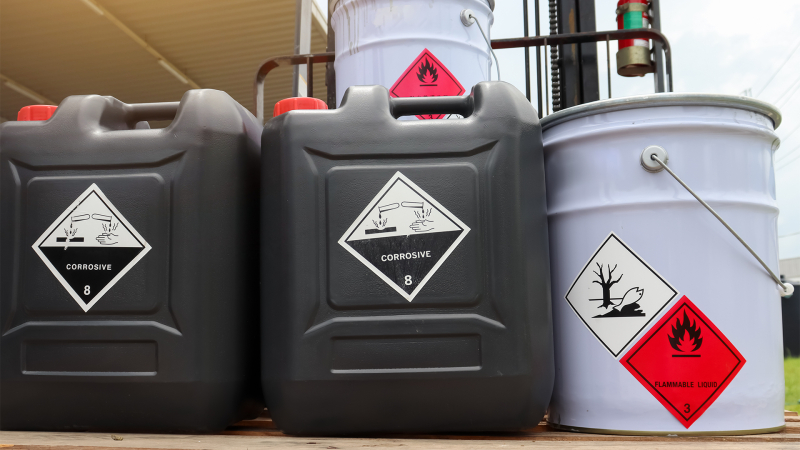
Course Description
Safety Data Sheets (SDS) are a critical tool for staying safe around hazardous materials. In this GHS Safety Data Sheets in Construction Environments course, you’ll learn how to read, understand, and use Safety Data Sheets to identify hazards, follow safety precautions, and respond to emergencies involving hazardous materials on the job site.
This course explains the Globally Harmonized System (GHS) format and how it organizes vital information in a clear, consistent way. You’ll explore the 16 standardized sections of an SDS, including product identification, hazard warnings, safe handling practices, emergency procedures, and regulatory information.
You’ll also learn how to quickly find critical data like first aid steps, spill response measures, and safe storage guidelines. By the end, you’ll know how to use SDSs to protect yourself, your coworkers, and the environment whenever you work with or around hazmats.
Learning Objectives:
- Identify the purpose and structure of GHS Safety Data Sheets
- Explain how to find hazard and safety information using an SDS
- Apply appropriate first aid and emergency procedures based on SDS guidance
- Describe safe handling, storage, and disposal practices for hazardous materials
- Analyze the technical information sections of an SDS for workplace planning
Skills You Will Learn
- Emergency Procedures
- Hazard Communication (HazCom)
- Material Handling
- Material Safety Data Sheet
- Regulatory Compliance
What You'll Learn
- Identify the purpose and structure of GHS Safety Data Sheets, including the 16 standardized sections
- Locate hazard and safety information using an SDS, such as first aid steps, spill response, and storage guidelines
- Apply appropriate first aid and emergency procedures based on SDS guidance when responding to HAZMAT emergencies
- Describe safe handling, storage, and disposal practices for hazardous materials on the job site
- Analyze the technical information sections of an SDS for workplace planning
- Explain how the Globally Harmonized System (GHS) format organizes hazard communication information
Key Takeaways
- Safety Data Sheets are a critical tool for staying safe around hazardous materials on the construction job site.
- The Globally Harmonized System (GHS) organizes vital SDS information in a clear, consistent format.
- An SDS contains 16 standardized sections covering product identification, hazard warnings, safe handling, emergency procedures, and regulatory information.
- SDSs let workers quickly find critical data such as first aid steps, spill response measures, and safe storage guidelines.
- Using SDSs correctly helps protect yourself, your coworkers, and the environment when working with or around hazardous materials.
Frequently Asked Questions
Who is this course for?
It is designed for people who work with or around hazardous materials on construction job sites and need to read, understand, and use Safety Data Sheets to stay safe.
What does this course cover?
It covers the GHS format and the 16 standardized sections of an SDS, including product identification, hazard warnings, safe handling practices, emergency procedures, and regulatory information, plus how to find first aid steps, spill response measures, and safe storage guidelines.
What skills will I gain?
You will build skills in emergency procedures, hazard communication (HazCom), material handling, working with Material Safety Data Sheets, and regulatory compliance.
What topics do the lessons include?
Lessons cover hazard communication and the Globally Harmonized System, materials and their hazards, responding to HAZMAT emergencies, handling and storing hazardous materials, important technical information, and a review.
What will I be able to do by the end of the course?
You will know how to use Safety Data Sheets to identify hazards, follow safety precautions, and respond to emergencies involving hazardous materials to protect yourself, your coworkers, and the environment.