Course Description
Compressed gases can pose serious risks when mishandled—from leaks and fires to explosions—so knowing how to move and store them correctly is essential for safety. In this Compressed Gas Cylinders in Transportation and Warehouse Environments course, you’ll learn how to work safely around high-pressure gas cylinders during transportation, loading, unloading, and storage.
This course covers key safety practices for securing cylinders in vehicles, using the correct lifting methods and equipment, and ensuring proper ventilation. You’ll learn how to identify cylinder types and contents by reading labels, color codes, and hazard symbols. The course also explains how to inspect cylinders for damage, follow DOT and OSHA regulations, and recognize signs of leaks.
By the end of the course, you’ll understand how to safely transport, store, and handle compressed gas cylinders in a way that protects your health and your workplace.
Learning Objectives:
- Identify hazards associated with compressed gas cylinders in transit and storage
- Apply safe handling techniques for loading, unloading, and transporting cylinders
- Recognize proper storage methods, including segregation of incompatible gases
- Interpret cylinder markings, labels, and hazard symbols
- Follow inspection and response procedures for leaks or damaged cylinders
Skills You Will Learn
- Industrial Gases
- Materials Transport
- Risk Prevention
- Visual Recognition
- Warehouse Management
What You'll Learn
- Identify hazards associated with compressed gas cylinders during transit and storage
- Apply safe handling techniques for loading, unloading, and transporting cylinders
- Recognize proper storage methods, including segregation of incompatible gases
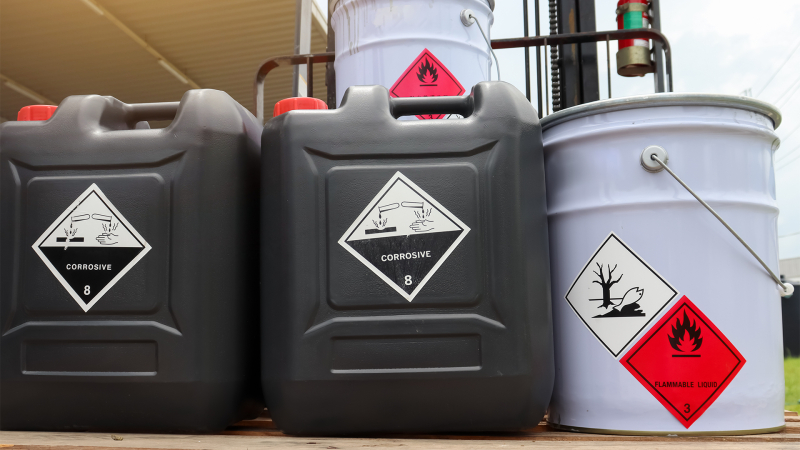
- Interpret cylinder markings, labels, color codes, and hazard symbols
- Inspect cylinders for damage and recognize signs of leaks
- Follow DOT and OSHA regulations for transporting and storing compressed gas cylinders
Key Takeaways
- Mishandled compressed gases can cause serious risks including leaks, fires, and explosions, making correct movement and storage essential for safety.
- Safe practices include securing cylinders in vehicles, using correct lifting methods and equipment, and ensuring proper ventilation.
- Cylinder types and contents can be identified by reading labels, color codes, and hazard symbols.
- Cylinders should be inspected for damage and handled in accordance with DOT and OSHA regulations.
- Proper storage requires segregating incompatible gases and recognizing the signs of leaks.
Frequently Asked Questions
Who is this course for?
It is for people who work around high-pressure gas cylinders during transportation, loading, unloading, and storage, and who need to handle them safely to protect their health and workplace.
What does this course cover?
It covers identifying gas types and cylinders, the hazards of compressed gases, storing and handling cylinders safely, transporting and installing cylinders, reading labels, color codes, and hazard symbols, inspecting for damage, following DOT and OSHA regulations, and finding and dealing with leaks.
What skills will I gain from this course?
You will build skills in industrial gases, materials transport, risk prevention, visual recognition, and warehouse management.
How are incompatible gases handled in storage?
The course teaches proper storage methods that include the segregation of incompatible gases.
Which regulations does this course reference?
The course explains how to follow DOT and OSHA regulations when transporting, storing, and handling compressed gas cylinders.