Course Description
GHS is important because it standardizes SDS information into the same 16-section format, making it easier to find critical safety steps even when products come from different suppliers. In this GHS Safety Data Sheets in Industrial Environments course, you’ll learn how GHS organizes Safety Data Sheets (SDS) and how to quickly find the hazard, PPE, handling, and emergency information you need. You’ll also learn how SDS sections support safe storage, exposure control, and spill or fire response.
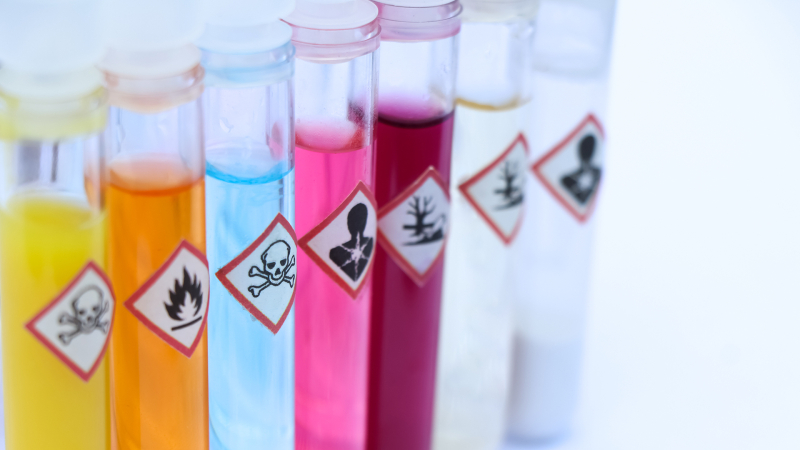
You’ll start with hazard communication basics and why workers have a right to know about the materials they use. Then you’ll learn what to look for in the first sections of an SDS, including product identification, hazard statements, signal words, pictograms, and ingredient information.
Next, you’ll focus on emergency guidance, such as first aid actions, firefighting measures, and spill cleanup steps. You’ll also learn how SDS help prevent incidents through handling and storage guidance, engineering controls like ventilation and eyewash stations, and PPE recommendations. Finally, you’ll learn what is included in technical sections used by supervisors and safety staff, such as toxicology, disposal, transport, and regulatory information
Learning Objectives:
- Identify the purpose of hazard communication and Safety Data Sheets (SDS)
- Locate product identification, hazards, and composition details using SDS sections 1 through 3
- Apply SDS guidance to respond to exposure, fires, and spills using SDS sections 4 through 6
- Apply safe handling, storage, and PPE guidance using SDS sections 7 through 10
- Use SDS technical sections to support disposal, transport, and regulatory needs
Skills You Will Learn
- Emergency Response
- Hazard Communication (HazCom)
- Hazardous Material Storage
- Navigational Aid
- Risk Exposure Management
What You'll Learn
- Identify the purpose of hazard communication and Safety Data Sheets (SDS)
- Locate product identification, hazard statements, signal words, pictograms, and ingredient information using SDS sections 1 through 3
- Apply SDS guidance to respond to exposure, fires, and spills using SDS sections 4 through 6
- Apply safe handling, storage, and PPE guidance, including engineering controls like ventilation and eyewash stations, using SDS sections 7 through 10
- Use SDS technical sections covering toxicology, disposal, transport, and regulatory information to support compliance needs
Key Takeaways
- GHS standardizes Safety Data Sheet information into the same 16-section format, making critical safety steps easier to find even when products come from different suppliers.
- The first SDS sections cover product identification, hazard statements, signal words, pictograms, and ingredient information.
- SDS emergency sections provide first aid actions, firefighting measures, and spill cleanup steps.
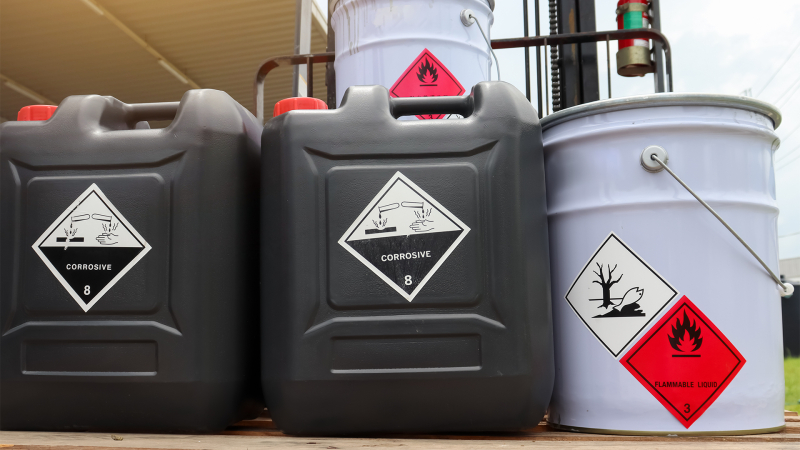
- SDS help prevent incidents through handling and storage guidance, engineering controls such as ventilation and eyewash stations, and PPE recommendations.
- Technical SDS sections used by supervisors and safety staff include toxicology, disposal, transport, and regulatory information.
Frequently Asked Questions
What does this course cover?
It covers how GHS organizes Safety Data Sheets (SDS) and how to quickly find the hazard, PPE, handling, and emergency information you need, including how SDS sections support safe storage, exposure control, and spill or fire response.
Who is this course for?
It supports workers exercising their right to know about the materials they use, as well as supervisors and safety staff who rely on the technical SDS sections covering toxicology, disposal, transport, and regulatory information.
What skills will I gain?
You will build skills in emergency response, hazard communication (HazCom), hazardous material storage, navigating SDS as a reference aid, and risk exposure management.
How is the course structured?
It begins with hazard communication basics, moves through the first SDS sections on product identification and hazards, then emergency guidance, handling and storage guidance, and finally the technical sections, closing with a review.
Why is GHS important?
GHS standardizes SDS information into the same 16-section format, making it easier to find critical safety steps even when products come from different suppliers.