Course Description
Before GHS, different countries had their systems, which often caused confusion. Now, the GHS provides one universal approach used worldwide. In this Introduction to GHS course, you’ll learn how the Globally Harmonized System of Classification and Labeling of Chemicals (GHS) helps protect workers by making chemical safety information clear and consistent.
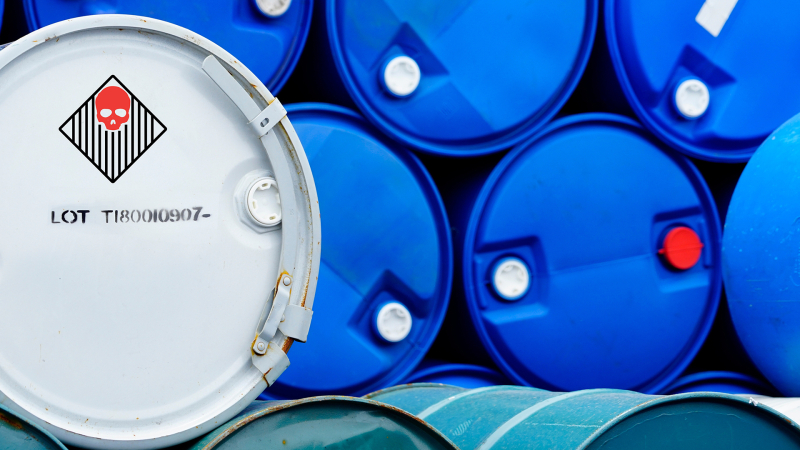
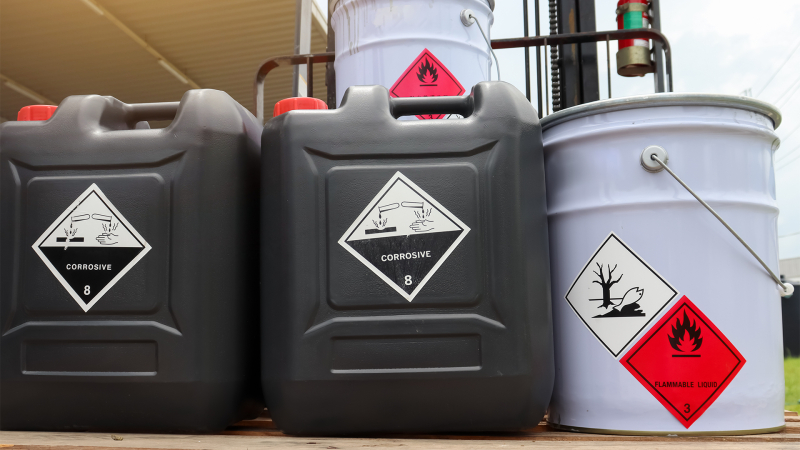
This course explains how the Globally Harmonized System (GHS) standardizes chemical labels, including signal words, hazard statements, precautionary statements, and pictograms. You will learn the meanings of each of the nine pictograms and how to quickly locate essential information in case of an emergency.
The course also provides an overview of the structure of a Safety Data Sheet (SDS), highlighting the 16 required sections and the information each one contains.
Whether you are handling, storing, or transporting chemicals, understanding the GHS will help you work safely, protect others, and comply with hazard communication regulations. By the end of this training, you will be able to recognize GHS labels, read Safety Data Sheets effectively, and respond appropriately to chemical risks.
Learning Objectives:
- Explain the purpose and global benefits of the GHS system
- Identify the components of a GHS-compliant chemical label
- Interpret GHS pictograms and signal words
- Describe the structure and use of safety data sheets (SDS)
- Recognize how GHS supports workplace safety and regulatory compliance
Skills You Will Learn
- Hazard Communication (HazCom)
- Hazard Communication Standard (HCS)
- Image Recognition
- Navigational Aid
- Regulatory Compliance
What You'll Learn
- Explain the purpose and global benefits of the Globally Harmonized System (GHS)
- Identify the components of a GHS-compliant chemical label, including signal words, hazard statements, and precautionary statements
- Interpret the nine GHS pictograms and signal words
- Describe the structure and use of a Safety Data Sheet (SDS), including its 16 required sections
- Recognize how GHS supports workplace safety and hazard communication regulatory compliance
- Locate essential chemical safety information quickly in case of an emergency
Key Takeaways
- Before GHS, different countries used their own systems, which often caused confusion; GHS provides one universal approach used worldwide.
- GHS standardizes chemical labels using signal words, hazard statements, precautionary statements, and pictograms.
- There are nine GHS pictograms, each with a specific meaning the course teaches learners to recognize.
- A Safety Data Sheet (SDS) has 16 required sections, each containing specific information.
- Understanding GHS helps workers who handle, store, or transport chemicals work safely, protect others, and comply with hazard communication regulations.
Frequently Asked Questions
Who is this course for?
It is for anyone who handles, stores, or transports chemicals and needs to understand GHS to work safely, protect others, and comply with hazard communication regulations.
What does this course cover?
It covers how GHS standardizes chemical labels (signal words, hazard statements, precautionary statements, and pictograms), the meaning of each of the nine pictograms, and the structure of a Safety Data Sheet (SDS) with its 16 required sections.
What will I be able to do after completing this training?
By the end, you will be able to recognize GHS labels, read Safety Data Sheets effectively, and respond appropriately to chemical risks.
What topics are included in the lessons?
Lessons include what the GHS is, reasons OSHA adopted GHS, GHS changes in HAZCOM, the GHS Safety Data Sheet (SDS), the GHS labeling system, GHS pictograms, a GHS training timeline, and a review.