Course Description
While cleaning is an important part of ensuring a hygienic environment, sanitizing is often required to ensure all harmful microorganisms are eradicated. Sanitizing agents are commonly used in food handling and processing facilities, and it is important that all employees know how to properly use them. For example, how hot does water need to be to kill harmful microorganisms? How do you know when to dilute a sanitizing agent?
There are many misconceptions about sanitizing that can lead to serious issues and contamination. By better educating yourself on how to properly sanitize areas and equipment in the workplace, you can help ensure that foodborne illnesses do not negatively affect customers and patrons. This course will teach you about the most common sanitation processes, as well as cover proper procedures you can use to eliminate harmful microorganisms in food handling and processing facilities.
Learning Objectives:
- Understand proper sanitization practices in food handling and processing facilities
- Explore the common sanitization procedures used in food handling and processing facilities
Skills You Will Learn
- Contamination Control
- Disinfecting
- Food Safety And Sanitation
- Hygiene
- Occupational Hygiene
- Sterile Processing
What You'll Learn
- Understand proper sanitization practices in food handling and processing facilities
- Explore common sanitization procedures used in food handling and processing facilities
- Distinguish between thermal sanitizing and chemical sanitizing methods
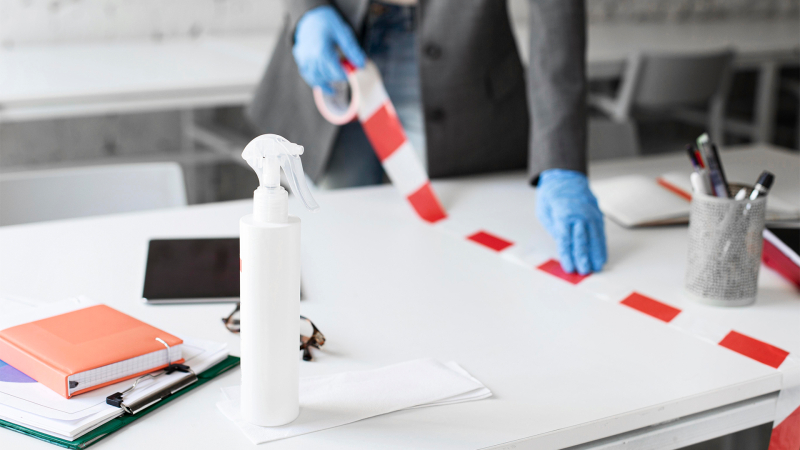
- Prepare areas and equipment for the sanitizing process
- Apply proper procedures to eliminate harmful microorganisms in the workplace
- Recognize how cleaning differs from sanitizing in maintaining a hygienic environment
Key Takeaways
- While cleaning helps ensure a hygienic environment, sanitizing is often required to eradicate all harmful microorganisms.
- Sanitizing agents are commonly used in food handling and processing facilities, so employees must know how to properly use them.
- Common sanitation processes include thermal sanitizing and chemical sanitizing.
- Misconceptions about sanitizing can lead to serious issues and contamination.
- Properly sanitizing areas and equipment helps ensure foodborne illnesses do not negatively affect customers and patrons.
Frequently Asked Questions
Who is this course for?
It is for employees in food handling and processing facilities who need to know how to properly use sanitizing agents to eliminate harmful microorganisms.
What topics does this course cover?
It covers the most common sanitation processes and proper procedures to eliminate harmful microorganisms, including what sanitizing is, thermal sanitizing, chemical sanitizing, preparing to sanitize, and the sanitizing process.
What skills will I gain from this course?
The course builds skills in Contamination Control, Disinfecting, Food Safety and Sanitation, Hygiene, Occupational Hygiene, and Sterile Processing.
How is the course structured?
The course is organized into lessons: Introduction, What is Sanitizing?, Thermal Sanitizing, Chemical Sanitizing, Preparing to Sanitize, Sanitizing Process, and Conclusion.
Why is sanitizing important in addition to cleaning?
While cleaning is an important part of ensuring a hygienic environment, sanitizing is often required to ensure all harmful microorganisms are eradicated and to help prevent foodborne illnesses from affecting customers and patrons.